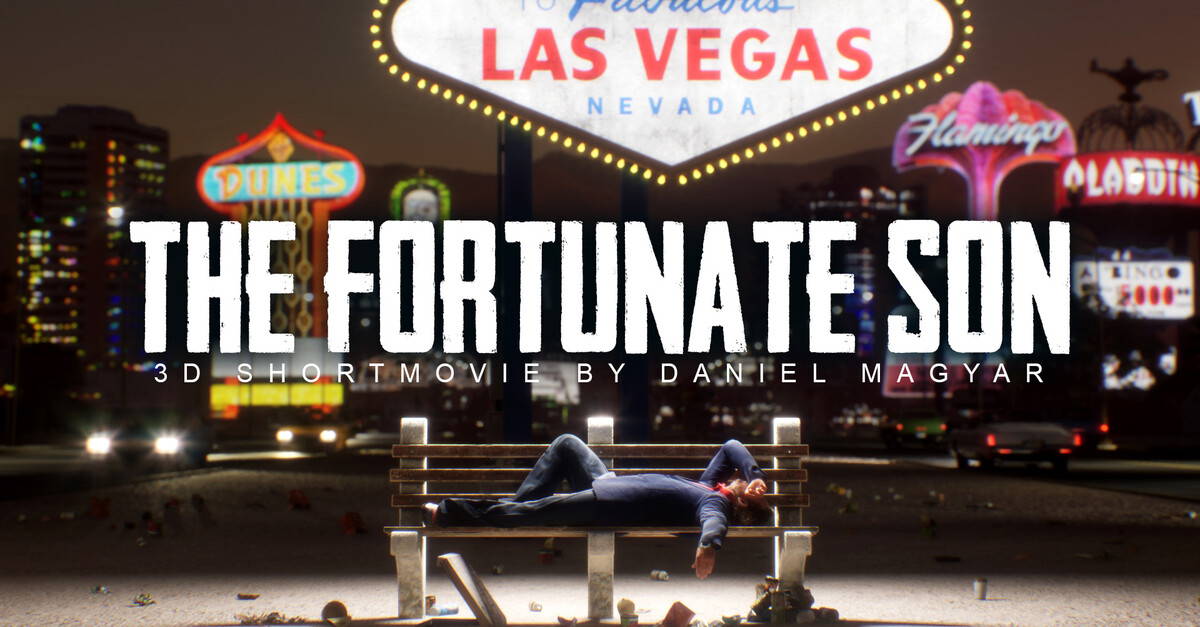
THE FORTUNATE SON
Filmmaking and storytelling have always been intertwined for me. My love for film began in childhood, shaped by movies of all styles. A defining moment came at eight or nine when I watched Fellini’s Amarcord on TV, a film that still moves me today.
Books have been another passion, and literature inspired The Fortunate Son. A Philip K. Dick story about time travel and assassination sparked a thought: what if someone traveled back in time to save a life instead of taking one? That idea became the foundation of my film.
My love for the arts, film, and reading has been a lifelong journey. As a young adult, I aspired to attend an art university, but my drawing skills were not strong enough for acceptance. Instead, I took on various odd jobs, construction work, publishing, and graphic design, while pursuing animation on the side. In 2004, my work aired on Dutch national television as part of a program featuring video artists from newly joined EU countries. I was the only Hungarian featured.
I created my first animation at around twelve years old (~1990), and from that moment, I knew I would never look back. In 2000, my first semi-professional animation won third place at a Danish festival, marking the start of my career. In 2005, my brother and I teamed up to make animated films together. Our first major project, Egon & Dönci (2007), was Eastern Europe’s first 3D animated feature film. Later, in 2011, I contributed to Flying Monsters 3D, a BAFTA-winning documentary by Sir David Attenborough. Since 2016, I have worked independently, contributing vfx post productions in movies to major productions, mainly for Netflix.
The road hasn’t always been smooth. In 2023, the Hollywood strikes wiped out my income, nearly leading to financial collapse. It was the third time in my career that I faced such a crisis. That year, I secured only one job. However, by the end of 2023, I found stability as a Principal Cinematic Artist at a game development company, where I still work today.
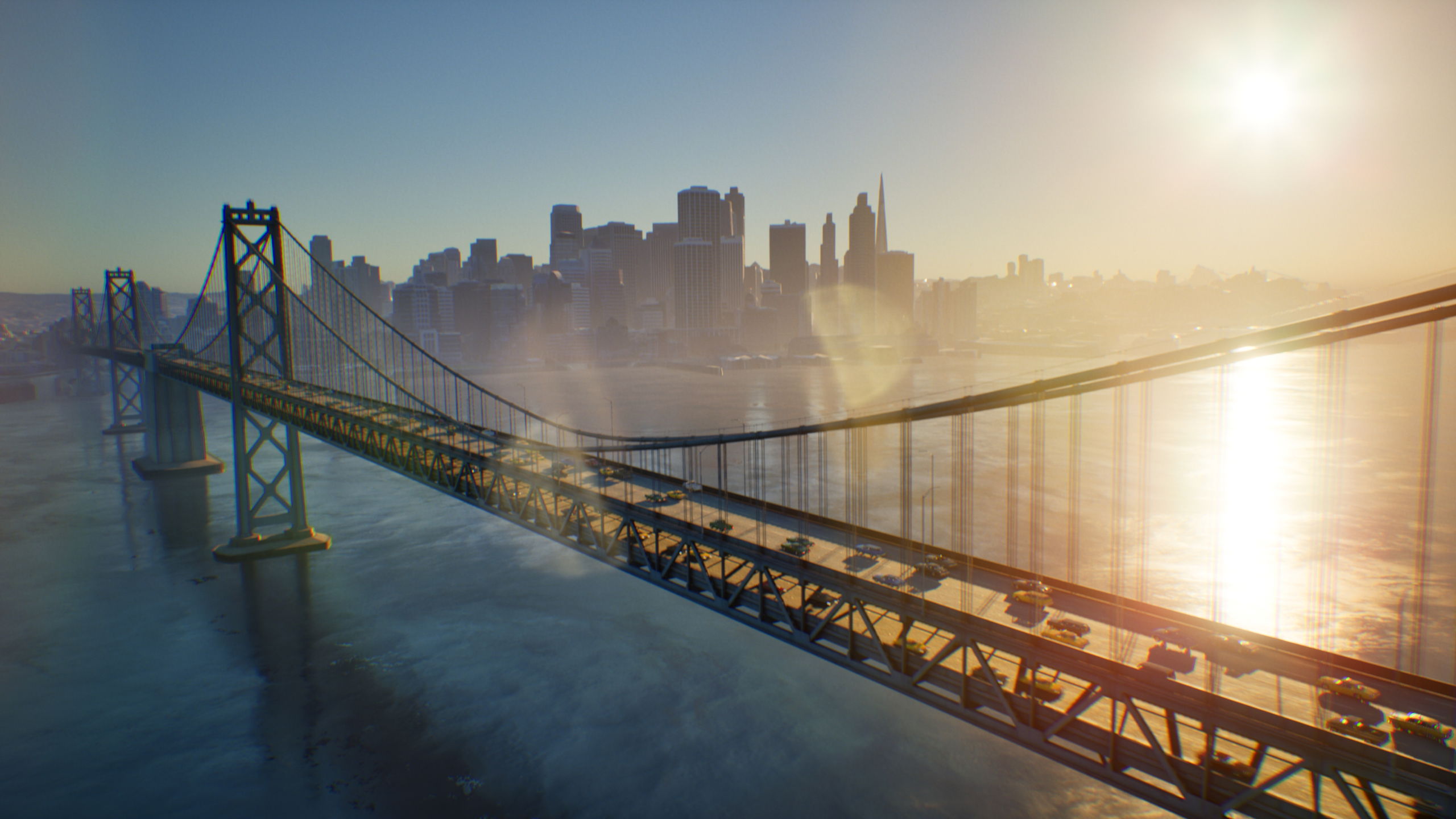
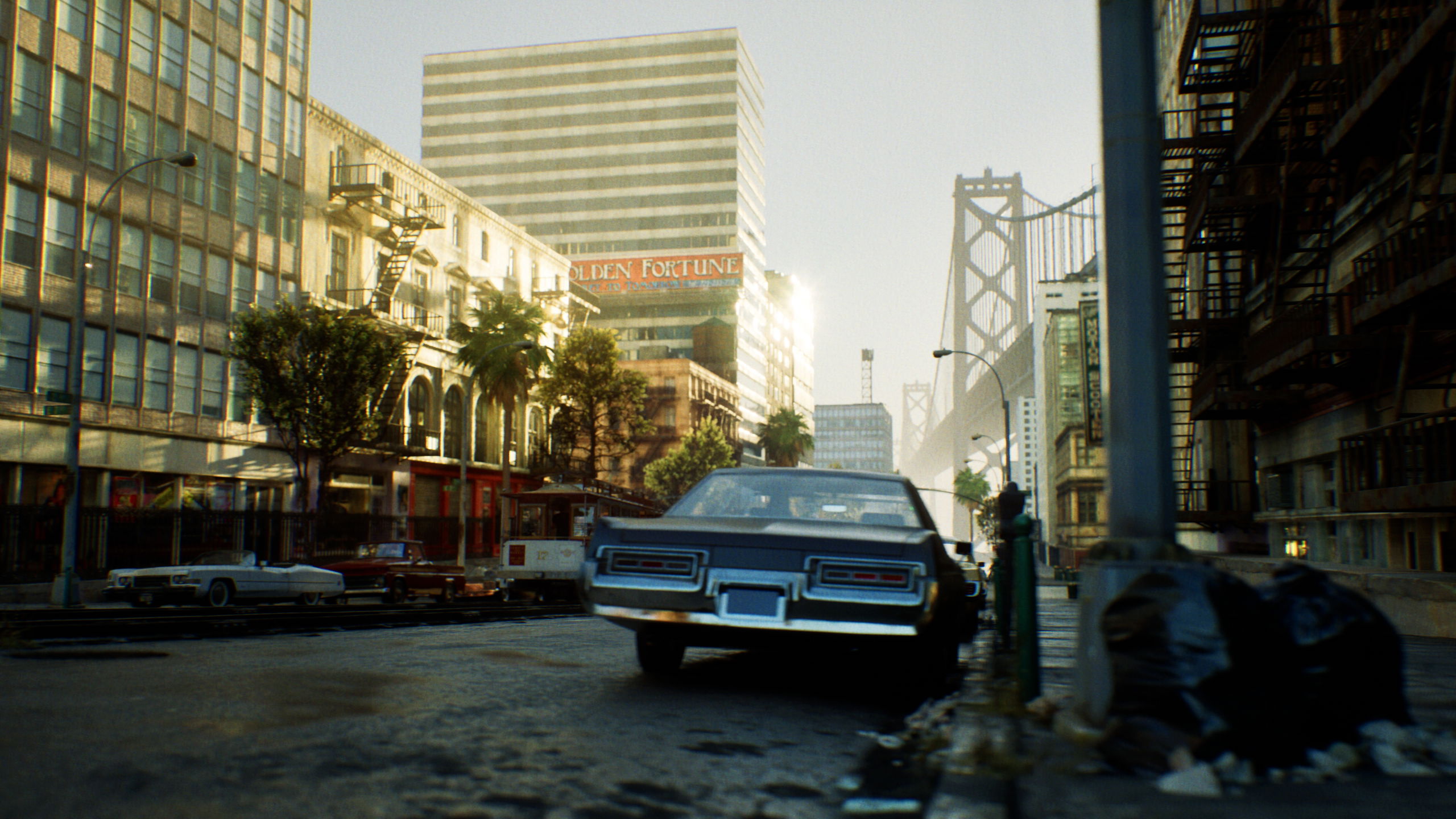
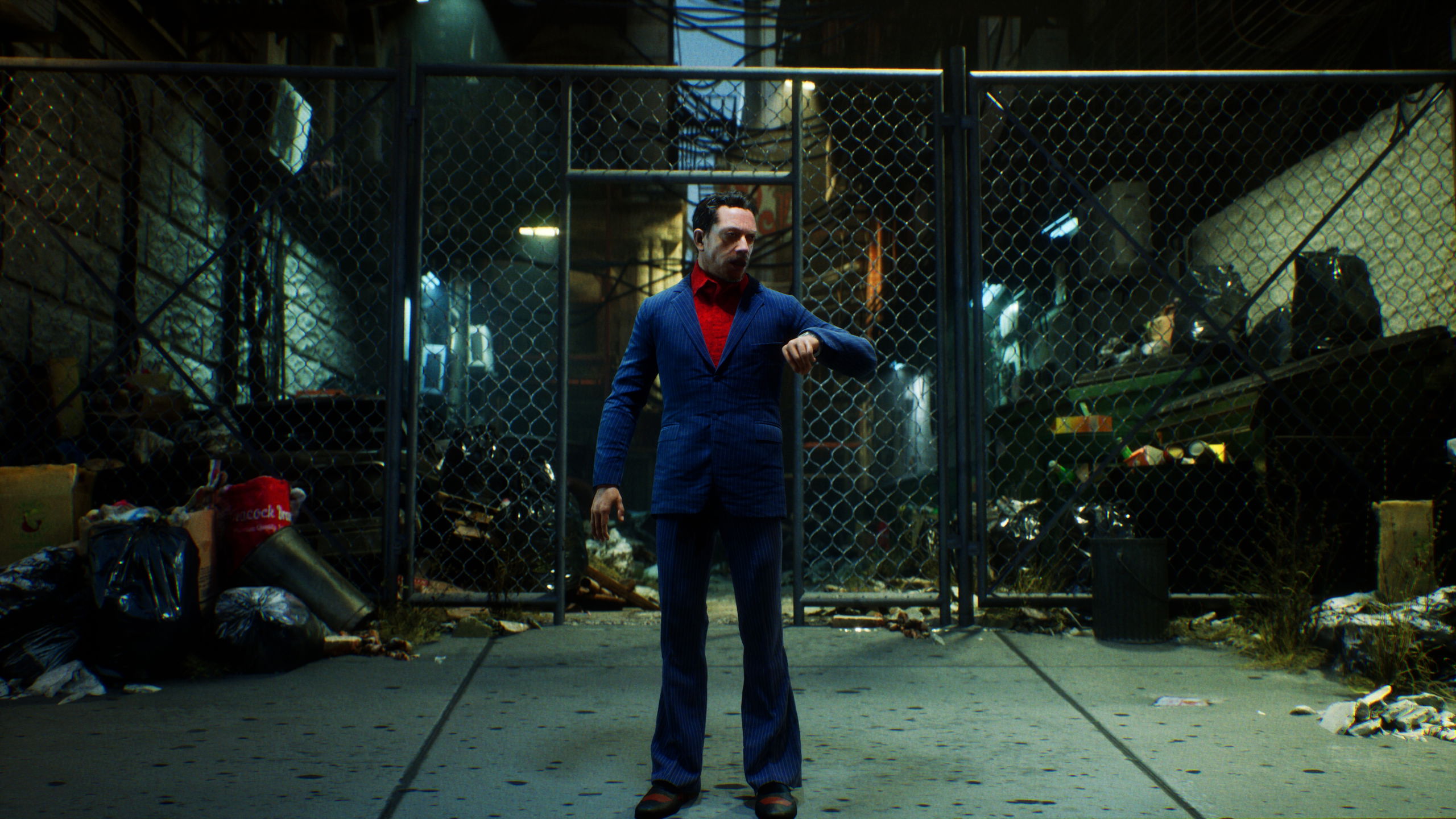
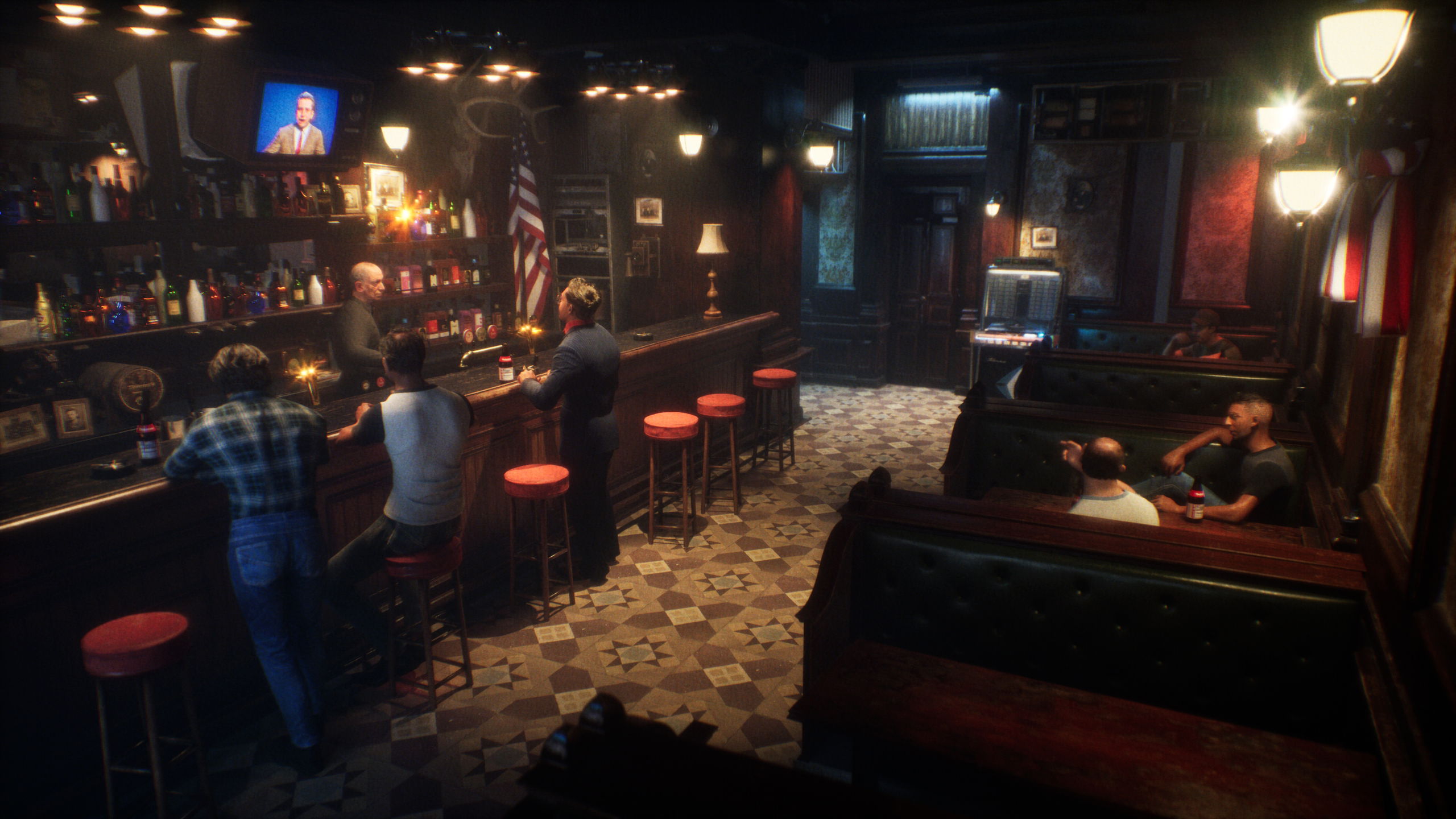
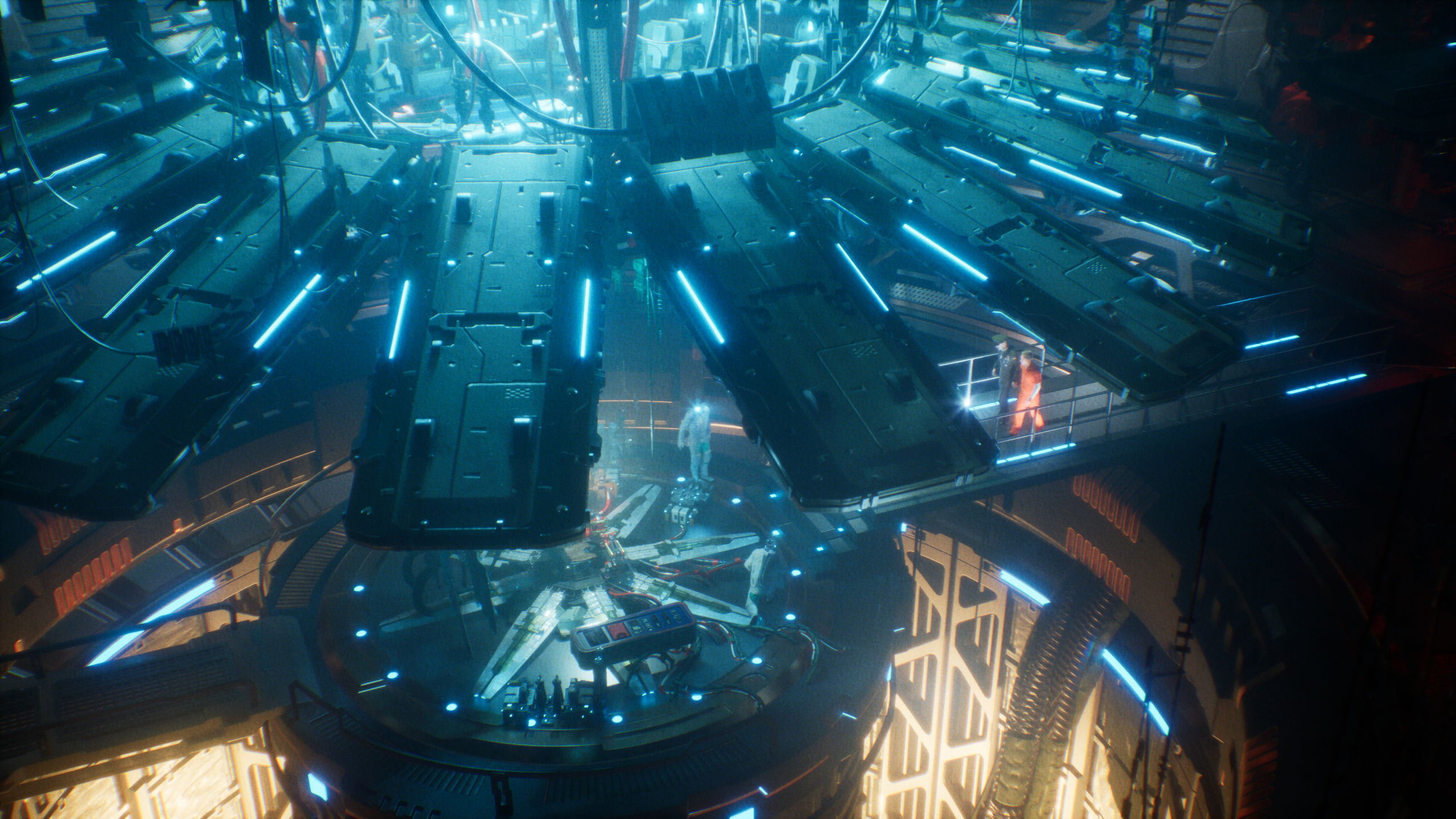
Some frames of the work
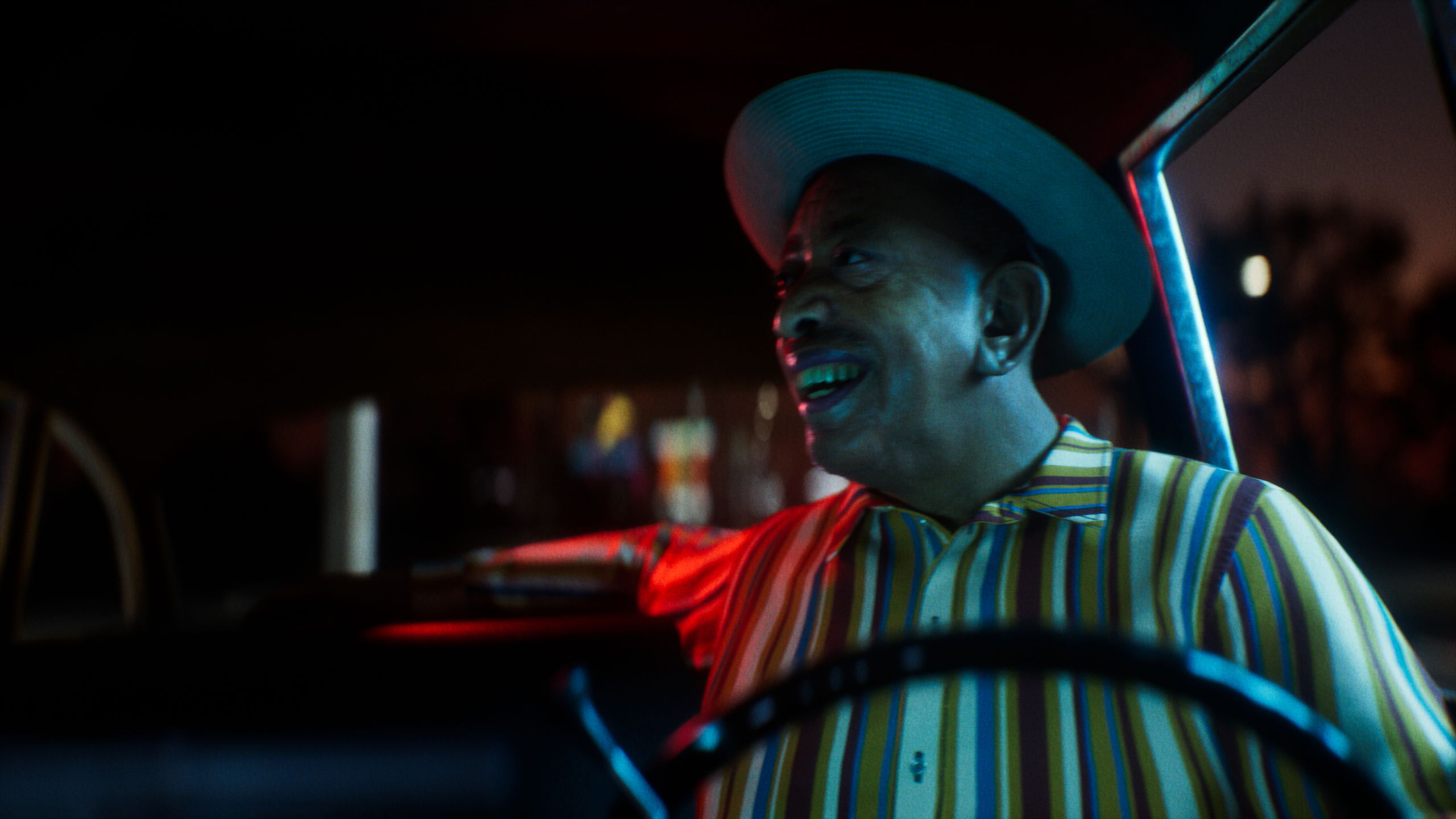
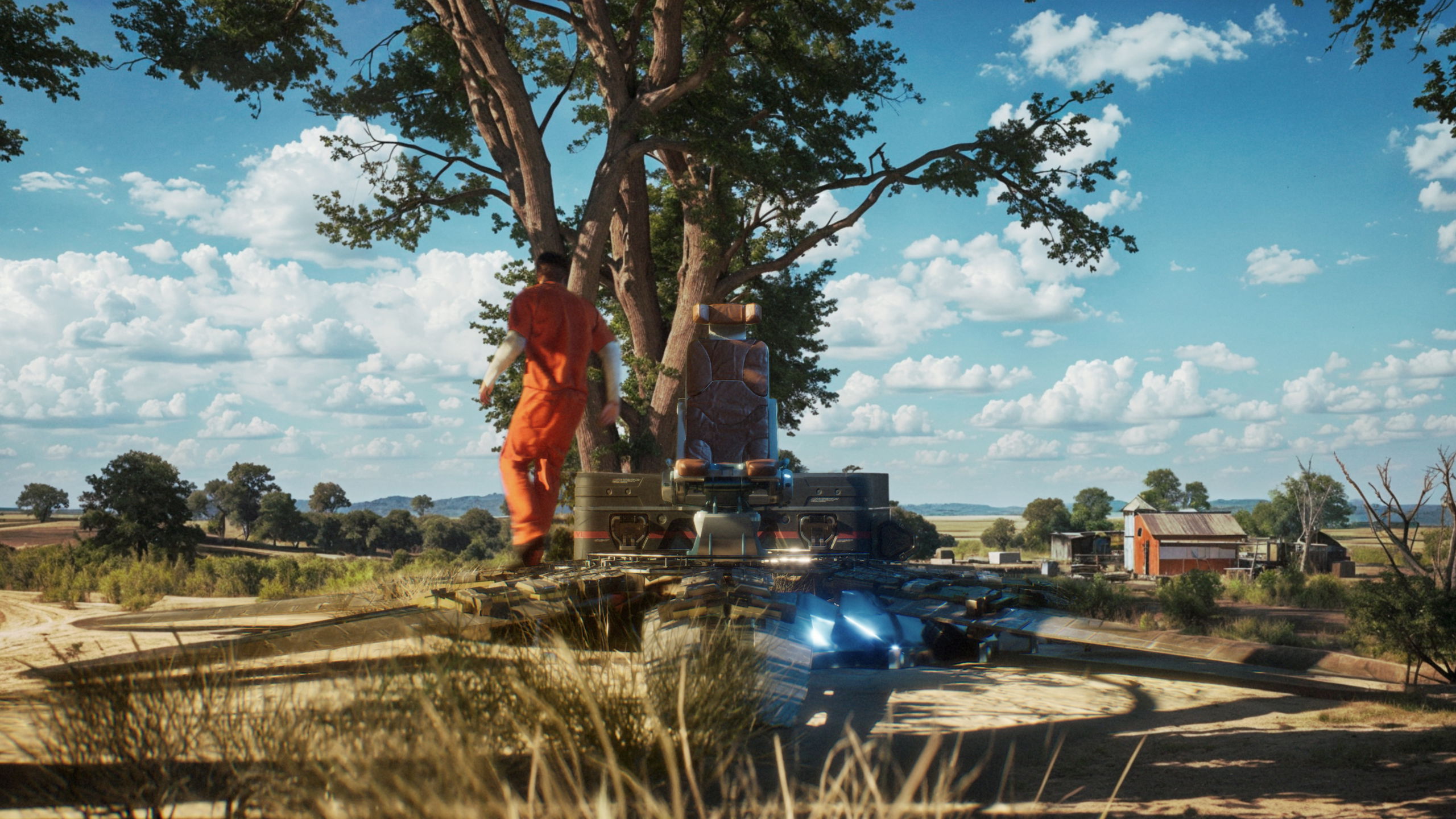
The Challenges of Indie Animation
When I embarked on this project in 2020, two key factors shaped my decisions. First, my background in 3ds Max and V-Ray made rendering costs a major concern. Even the cheapest cloud services were expensive. Originally, I had only planned for 15 minutes. But when we consider that 15 minutes at 24 FPS in UHD resolution, with not every scene turning out perfectly on the first try, we realize that the rendering cost alone is a huge expense. 15x60 = 900, and 900x24 = 21,600 frames. And as is well known, the film ended up being 27 minutes, so it really would have cost a small fortune just for the rendering. That led me to Unreal Engine, even though I had no experience with it at the time. The learning curve was steep, but persistence paid off.
The second major factor was the lack of facial animation solutions when I began. I was thinking of creating the faces in Max and transferring them to Unreal via FBX or Alembic. The problem started with the fact that rigging and skinning such faces isn’t something just anyone can do. I reached out to a couple of experts and requested quotes for rigging and skinning the faces. This too, like everything else, would have been very expensive, and with my budget at the time, it would have been unsustainable. So, I had no choice but to start with the easier parts and hope something would work out along the way… I took a gamble that Unreal Engine’s rapid development would provide an answer by the time I needed it, and it did. As with any creative journey, learning never stops. When I started this film, I had never used these tools before. It took time to adapt, but experience is something that only comes with dedication.
Some frames of the work

A One-Man Army
Many people have asked if I made this film entirely on my own. The answer is both yes and no. Yes, because I handled the key roles and the hardest tasks myself. I worked late into the night on my home computer, doing all the animation work, building locations, coordinating production, communicating with collaborators, editing, organizing scenes, solving technical issues, adapting the story into a film, and sourcing concepts for the sets.
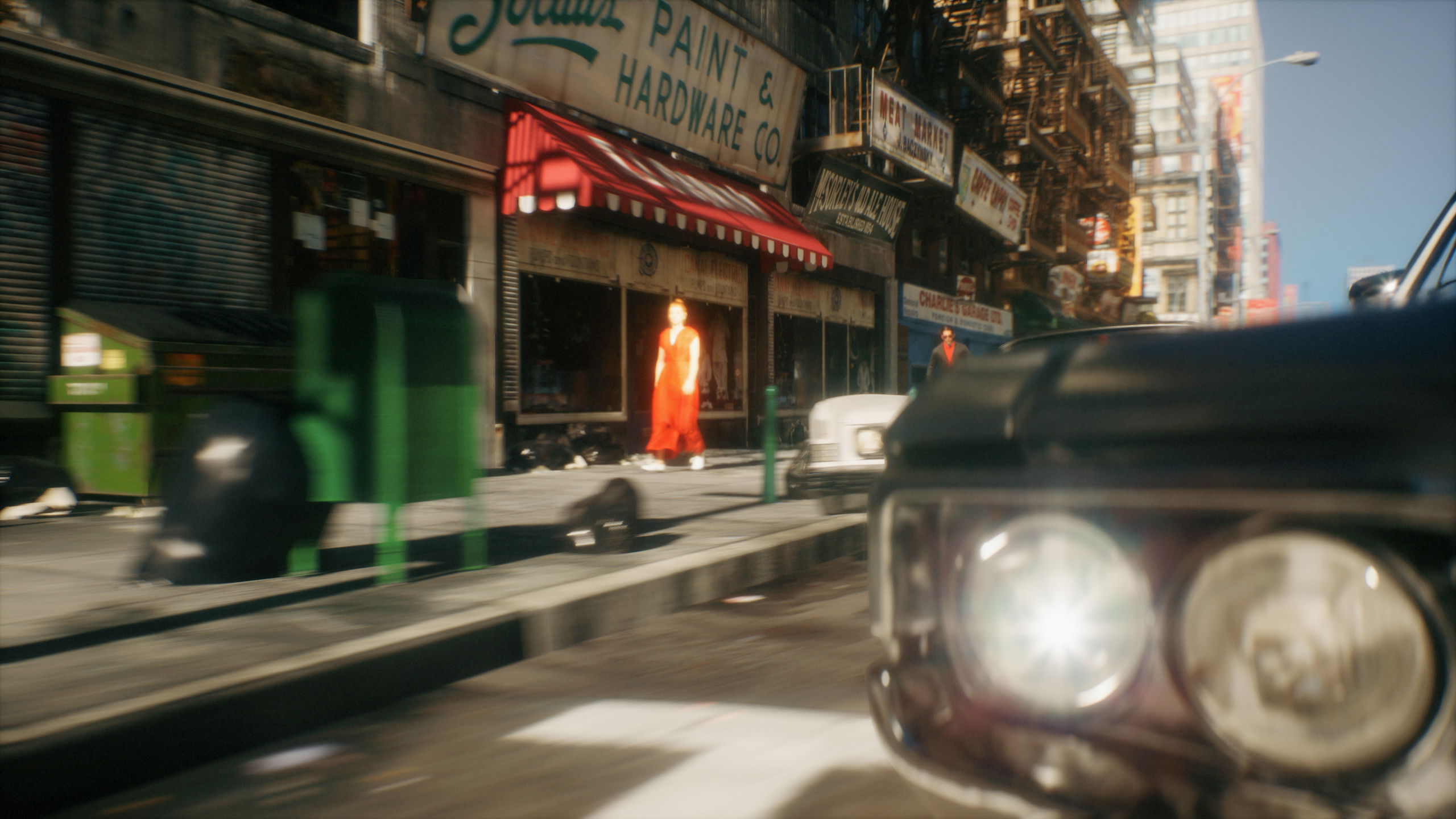
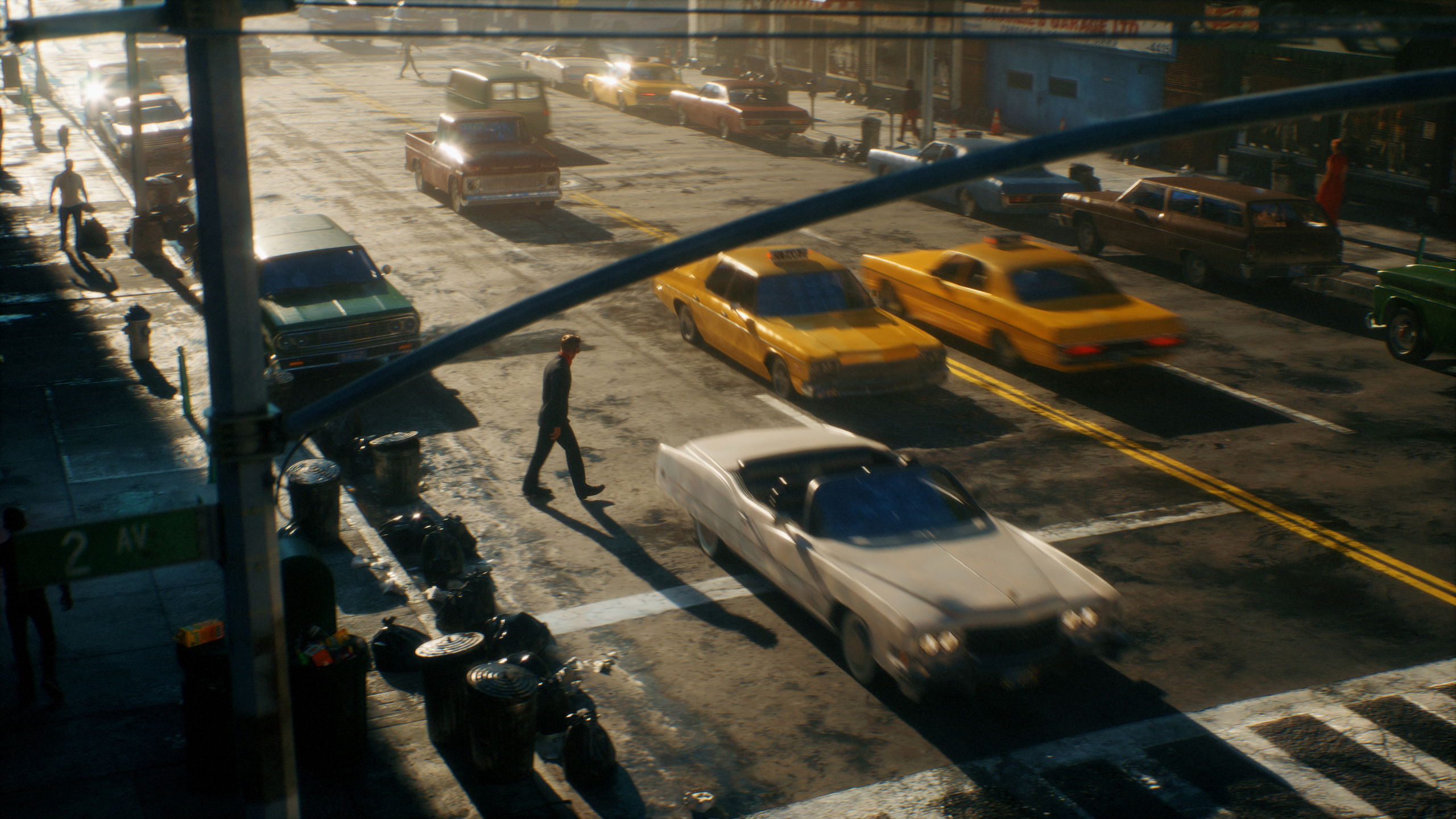
However, I also had help. So, the "no" part comes in because many others contributed either out of enthusiasm or through specific requests. There were lots of 3D models in the film that I didn’t make. If I had to model and texture everything myself, I’d still be working on cars and houses! Some models were bought from stock websites, and some were custom-made for the film. For example, the taxi was a stock model, but to make it look good in the film, it had to be retopologized and UV-mapped again for the exterior, and the entire interior had to be remodeled to make it believable
The sound design also started with me laying down the sounds I wanted to hear—sometimes in detail, other times more as rough indications. Then professional sound designers who saw potential in the film took over and created a professional mix, including 5.1 cinematic sound mixing. So, as with everything in this industry, it’s a complex process, and this question is no exception. That’s why it can’t be answered with a simple yes or no. So my answer is: both yes and no.
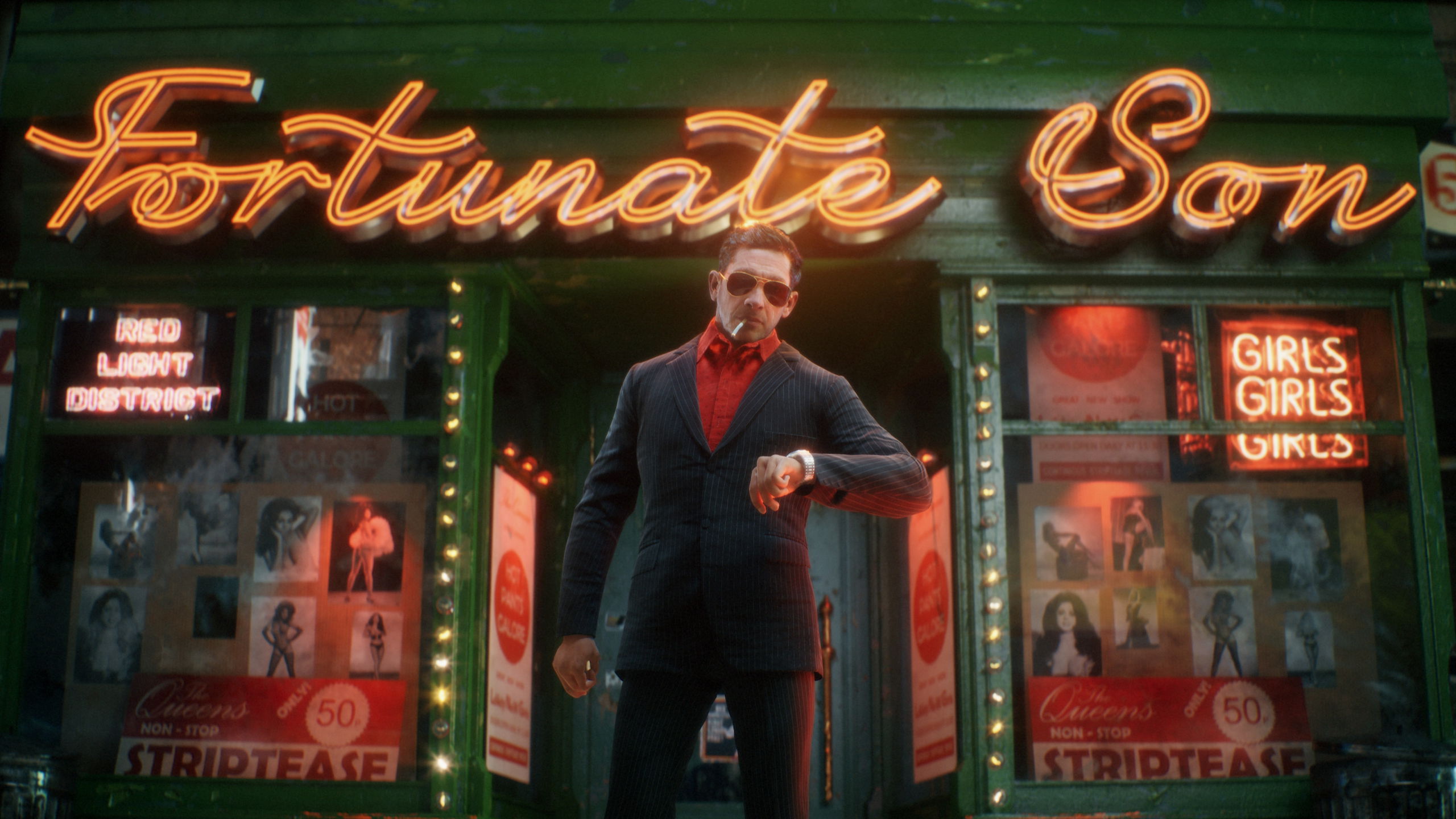
Since the film is set in the United States, capturing authentic American voices was crucial. However, working virtually made that challenging. I recorded the voice actors remotely first, essentially creating an audio play. This allowed me to structure the film’s timing before capturing body and facial motion. What you see in the final film is my own physical and facial performance, not ideal, but necessary given the circumstances.
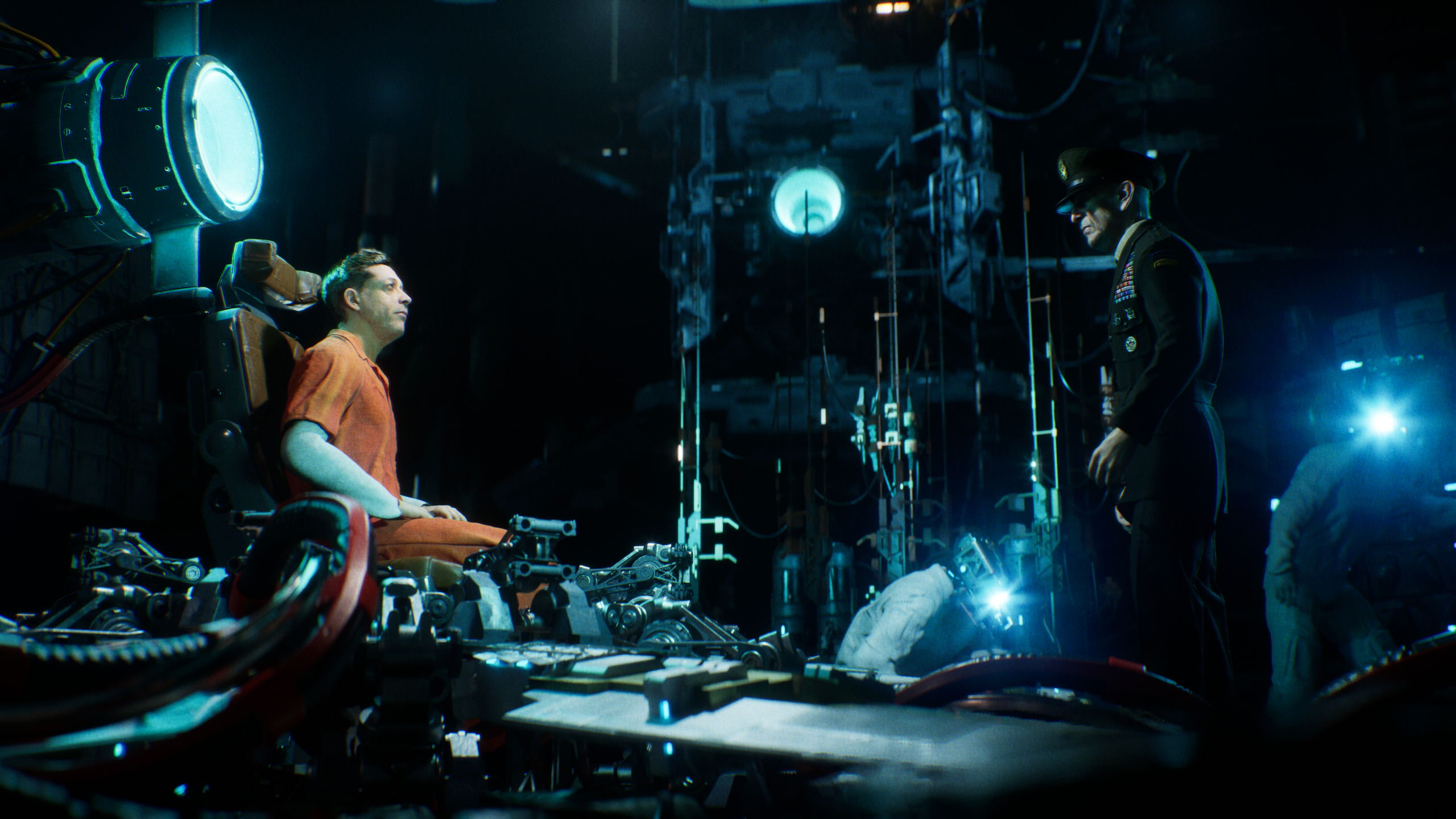
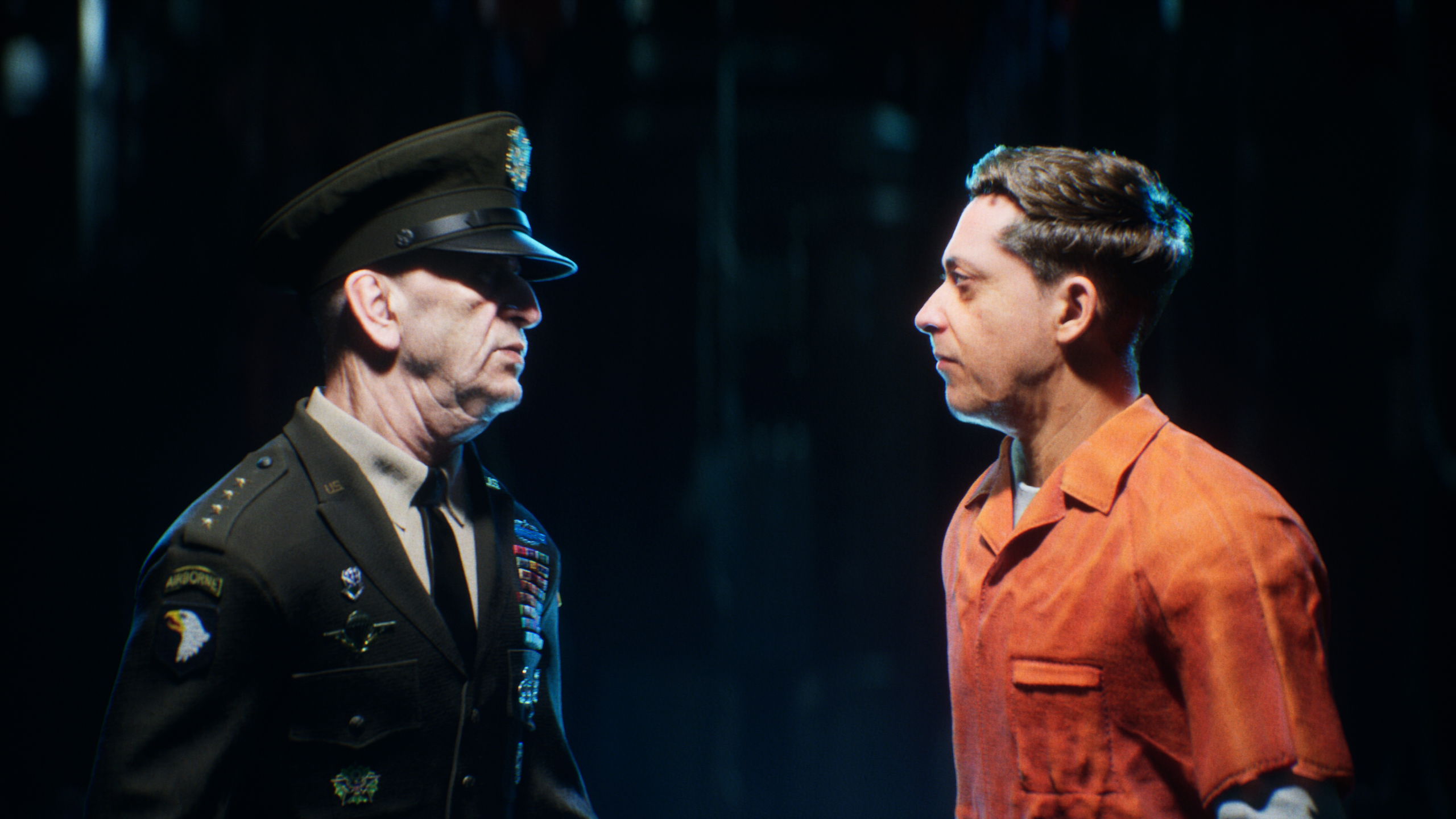
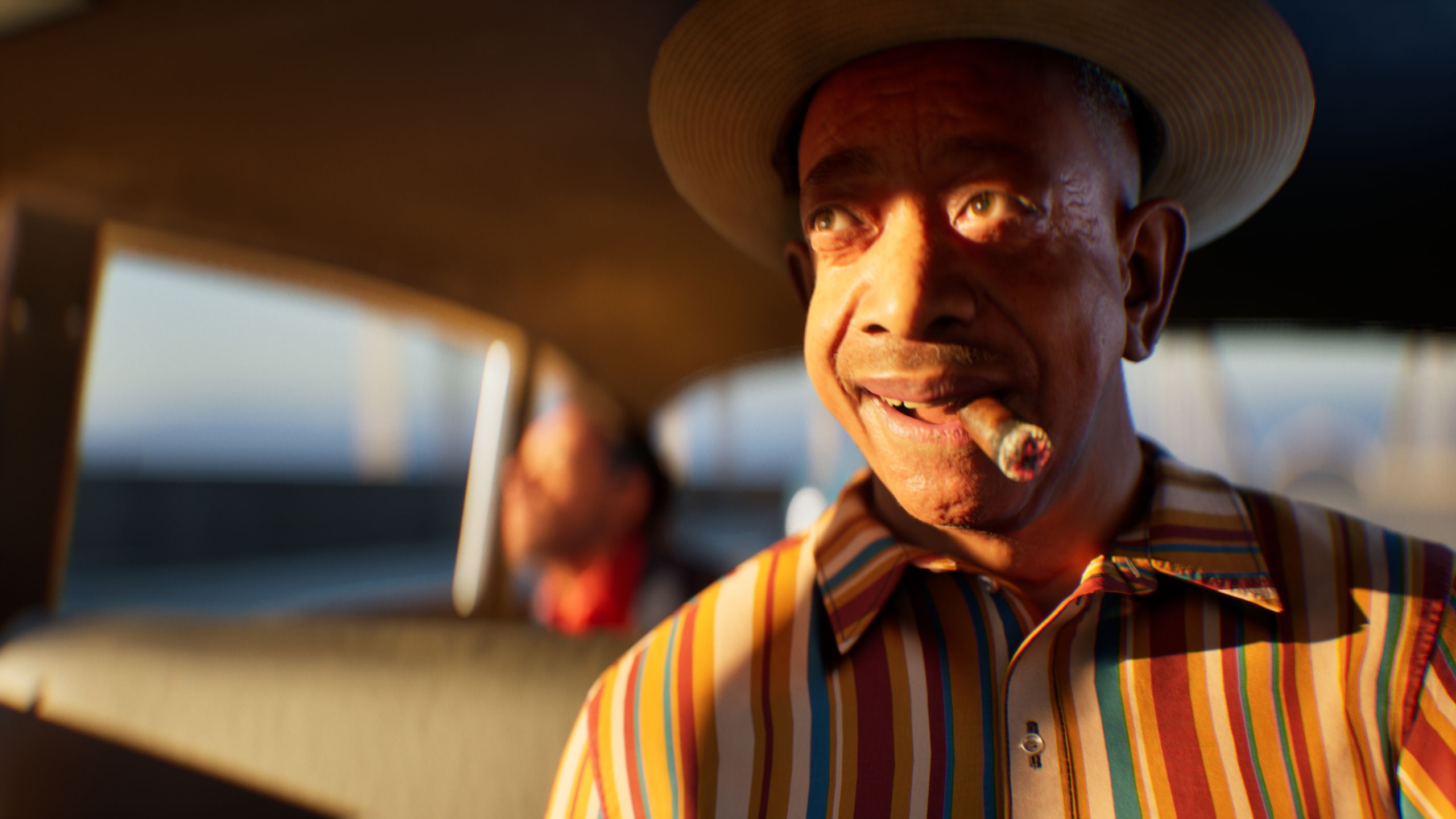
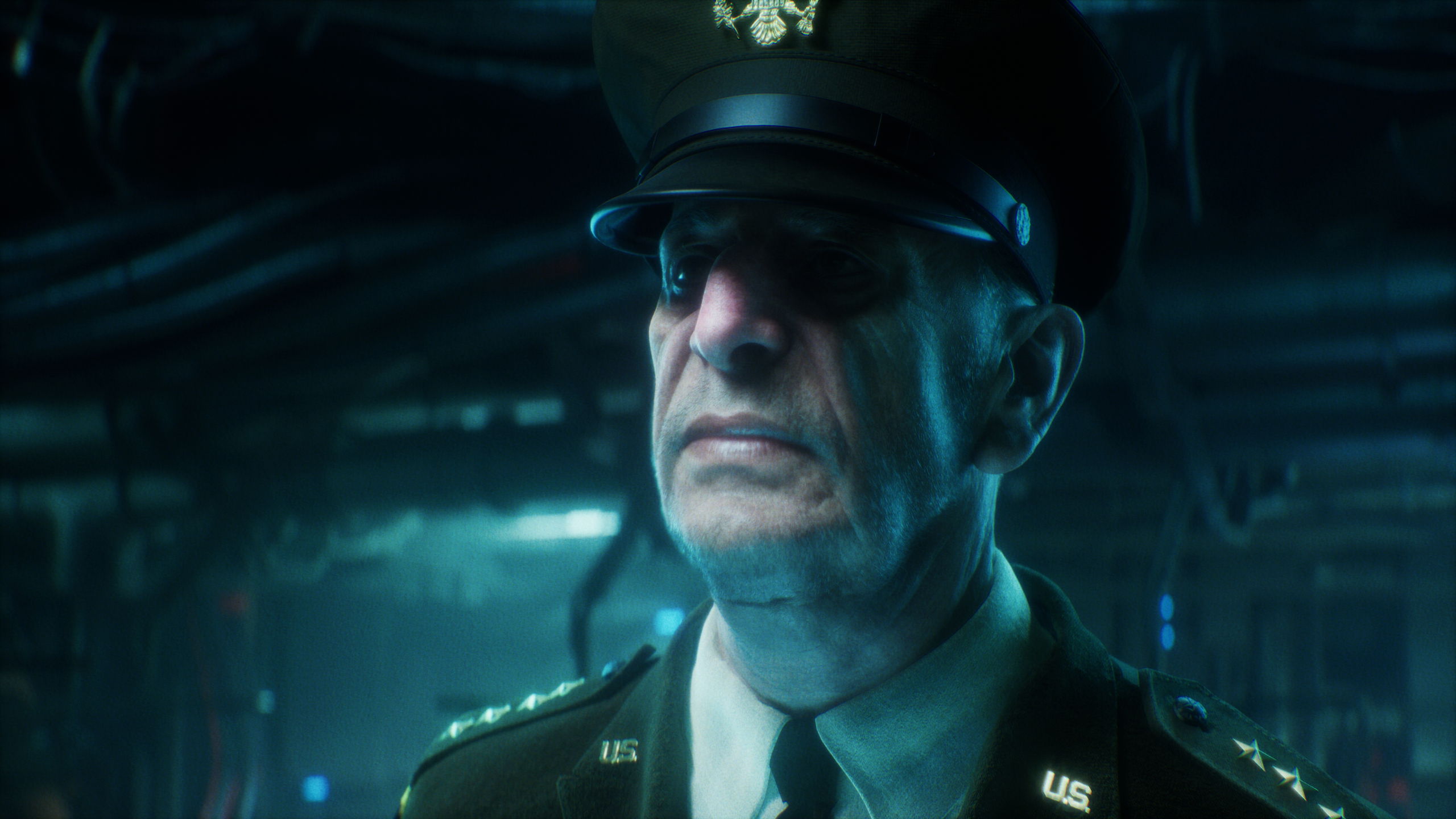
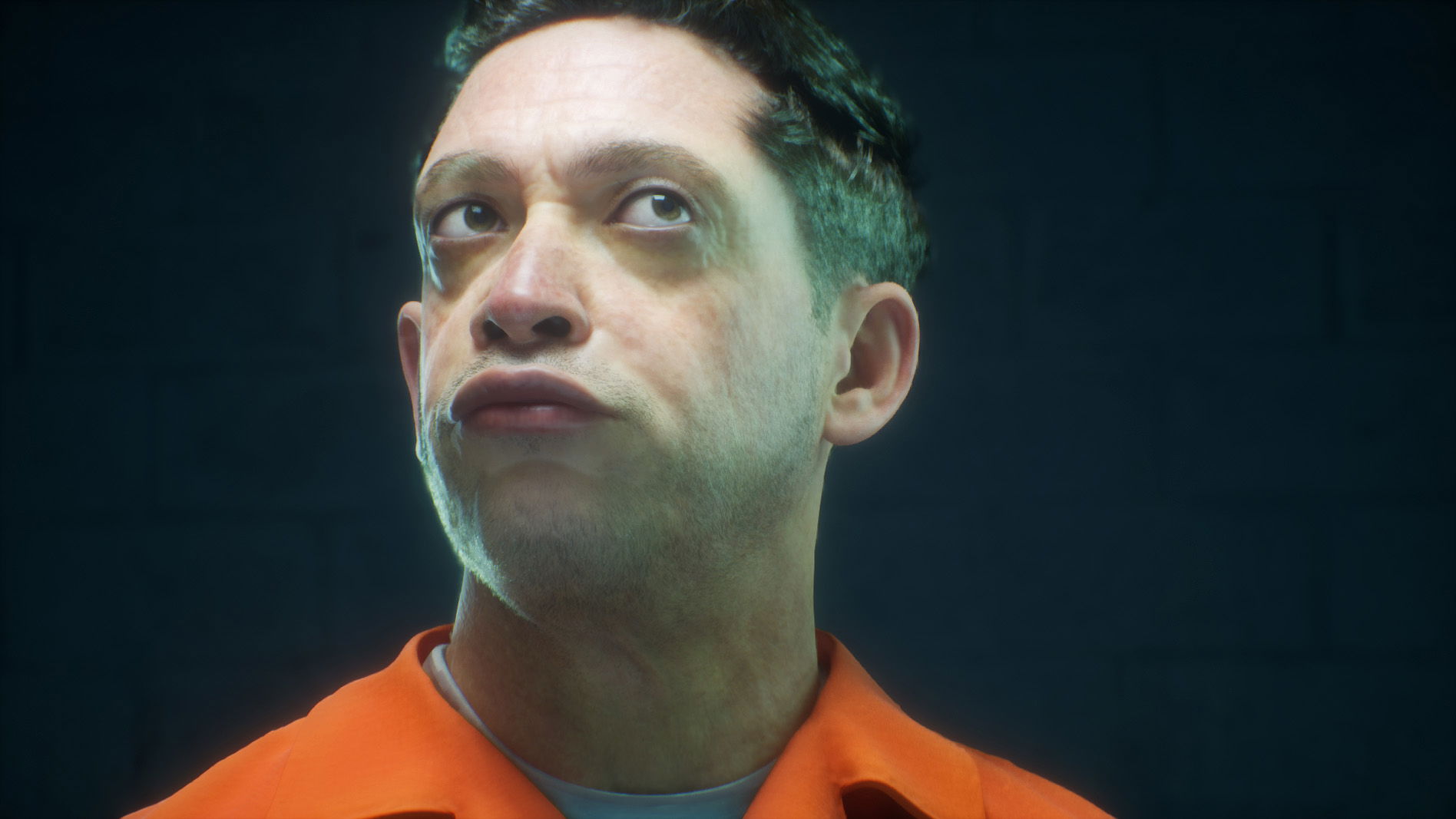
Character creation was another vital aspect. While I used Metahuman Editor for many faces, I wanted to avoid the common "Metahuman look." One character, the General, is particularly personal because his face is based on a 3D scan of my father. Throughout the film, I aimed for realism, drawing inspiration from painters like Rembrandt, whose work conveys profound human depth. I find movies that feature only attractive characters dull. Real-world faces, with all their uniqueness, are far more compelling.
Some frames of the work
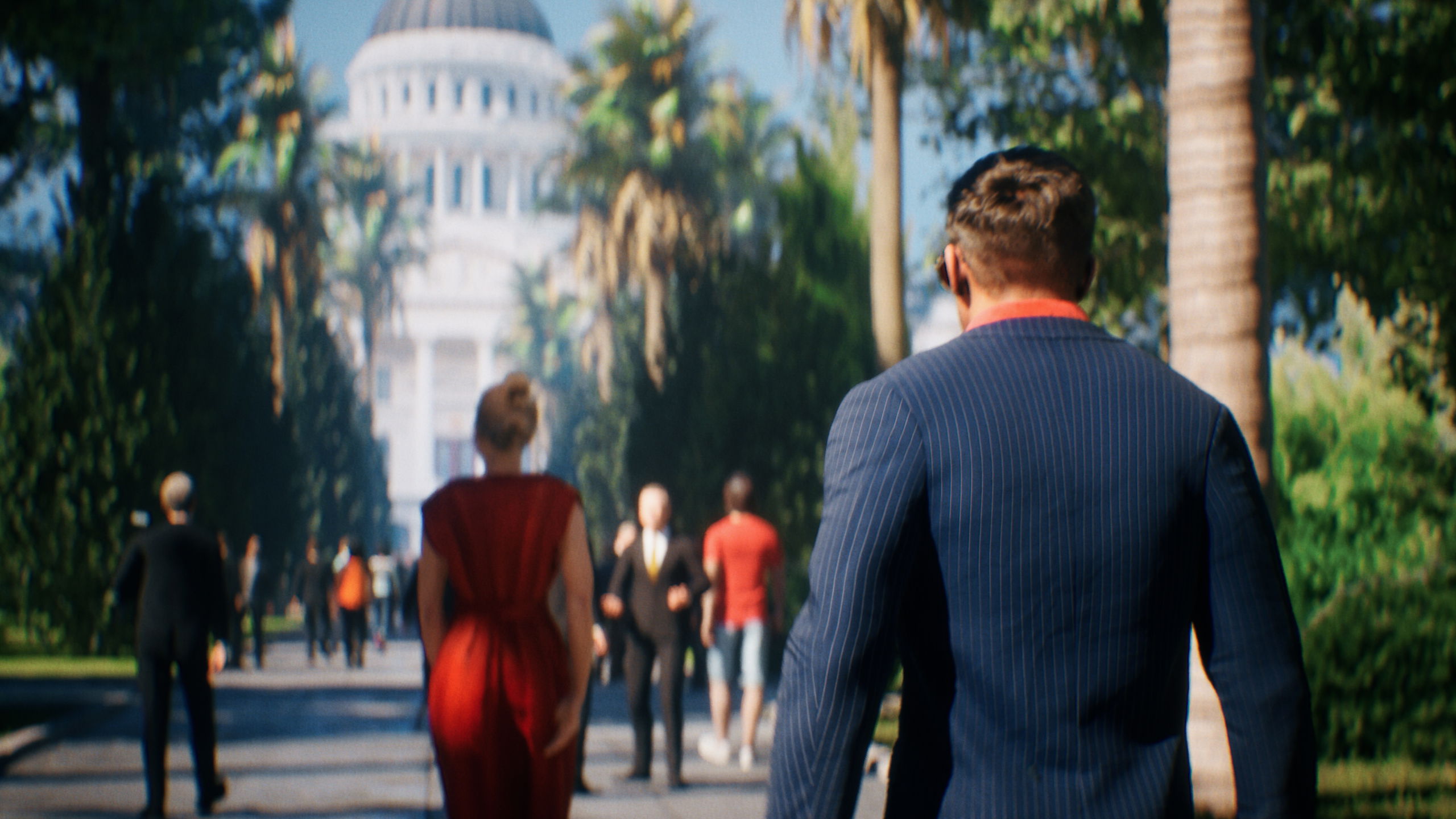
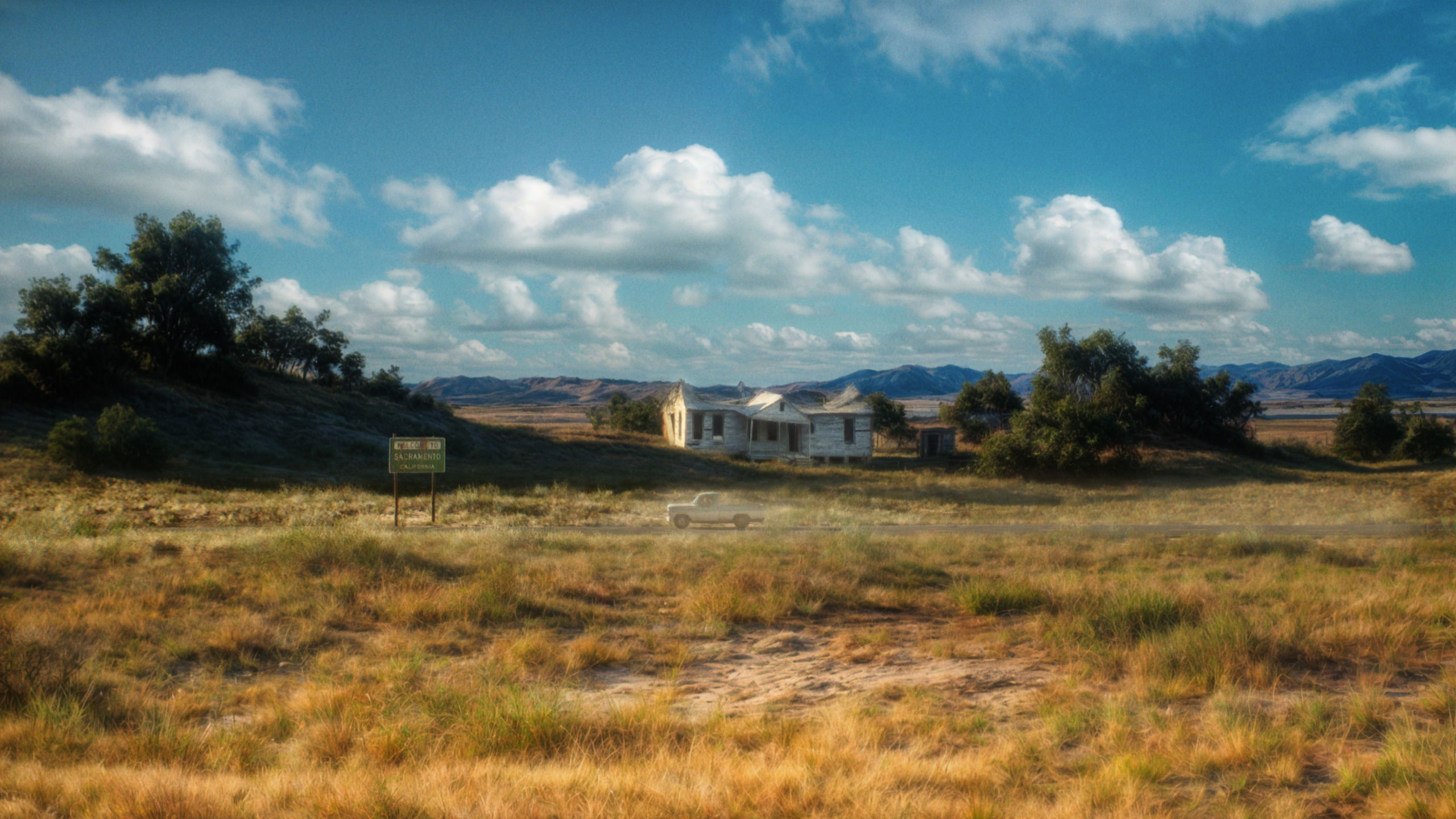
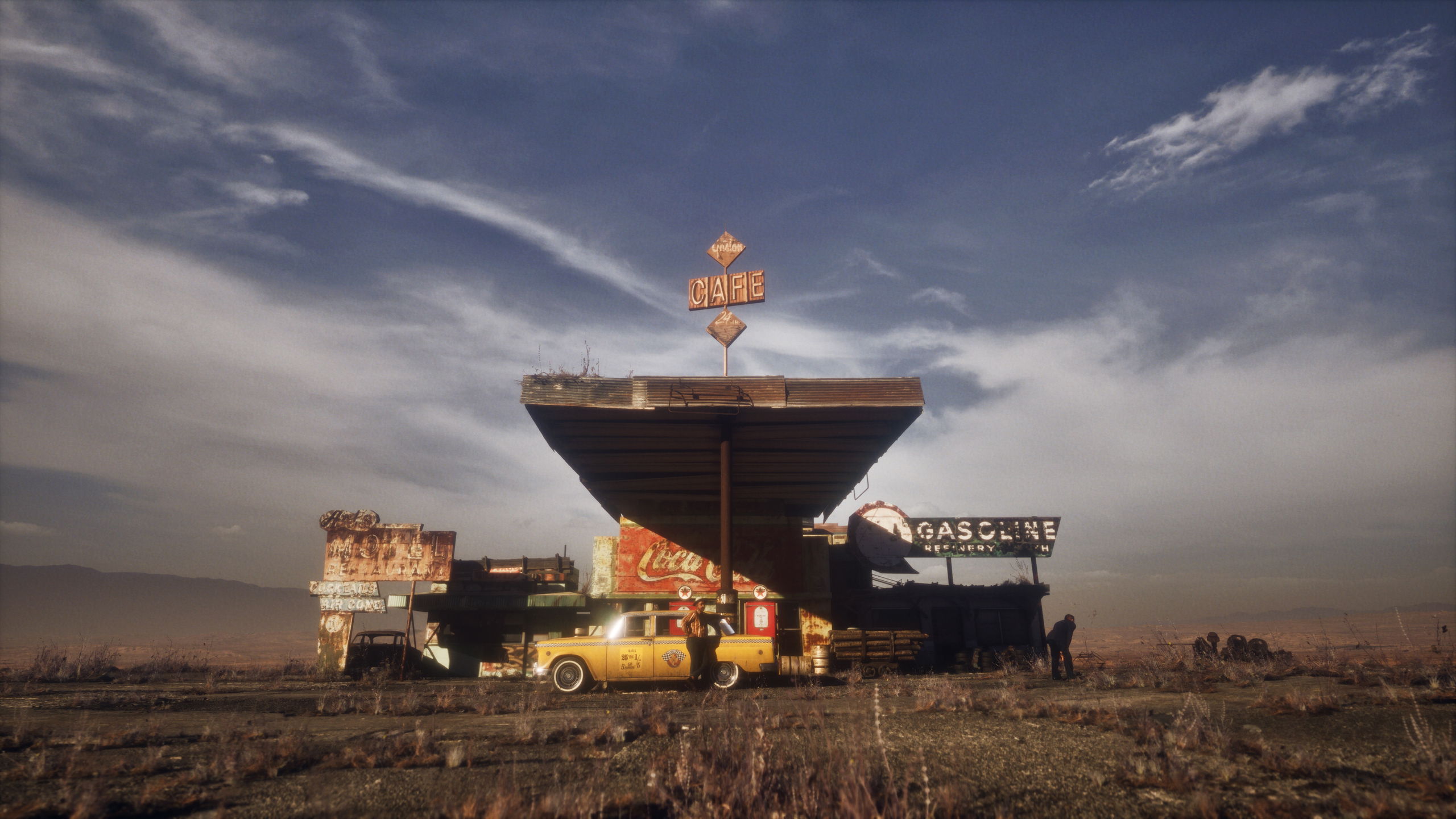
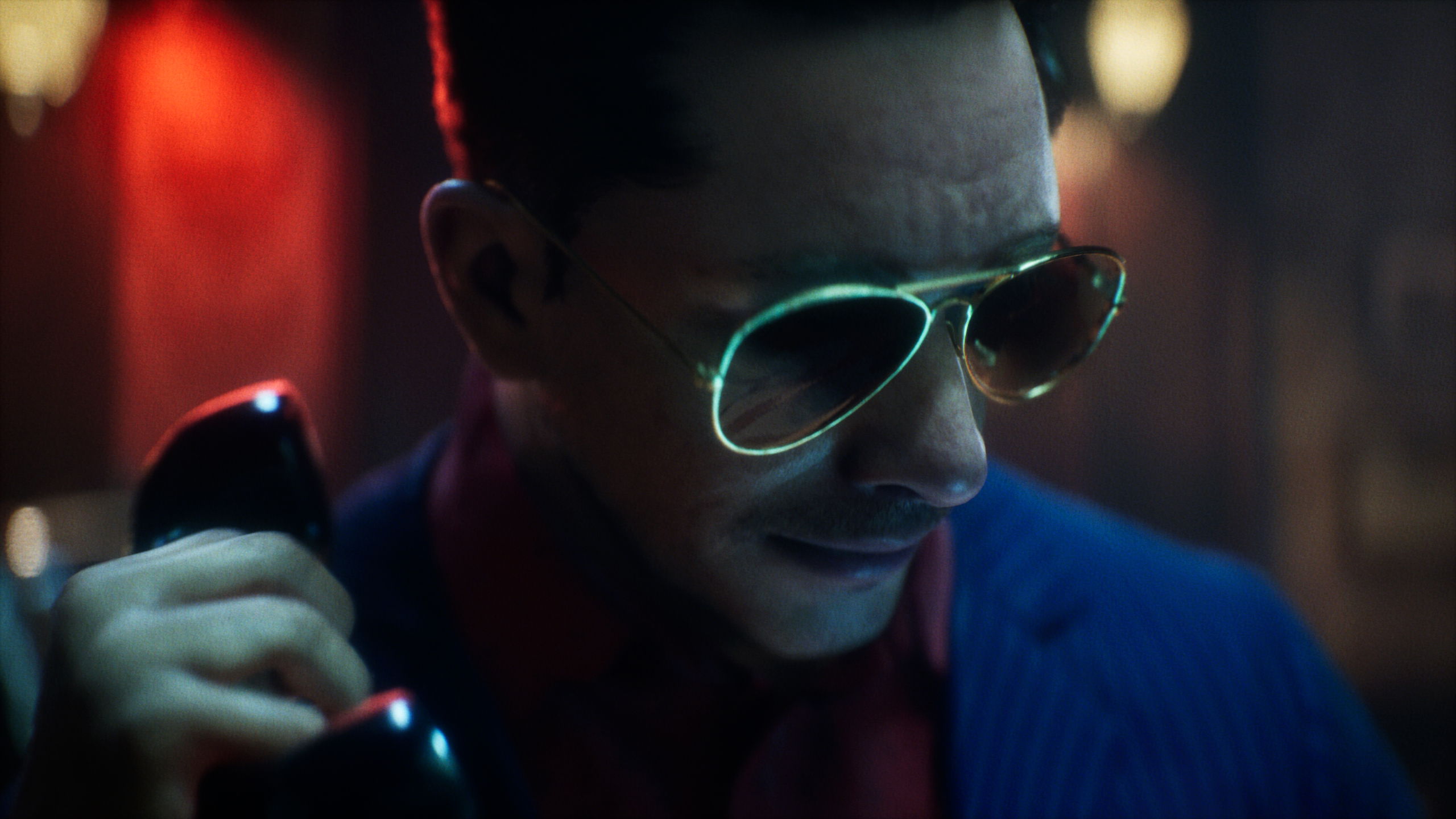
The Creative Process
Initially, I considered creating a storyboard, but I soon realized it wasn’t the most efficient approach for me. The moment I placed the first camera in Unreal Engine, all my previous ideas changed. What I had imagined on paper often didn’t work in practice. Unreal allowed me to iterate rapidly, making it a much more natural and effective workflow. I have always admired artists who can draw, but I found traditional drawing limiting. Animation, on the other hand, offered a way to tell stories with far greater depth.
I worked methodically in phases. First came research, gathering references for locations and characters. Then, I built the models and assets based on the script. Early in production, characters moved without speaking, and scenes were sparsely populated. I prioritized seeing a rough version of the entire film as soon as possible so I could begin working on sound. Halfway through production, I decided to complete the entire film as an audio play first. This approach proved crucial in helping me meet my early 2025 deadline. Of course, some scenes still evolve even now as I refine them to feel just right.
As I mentioned, I initially avoided animation because I didn’t know what direction the project would take. When I started, Metahuman didn’t exist, and I was only considering motion capture. My approach was never to think of the entire film as one huge problem, but to break it down into small tasks and solve them one by one. I always worked on what I could manage at the time. I spent a lot of time searching the web for solutions, but that often led to headaches. So, when there was too much modeling and texturing to do, I focused on those tasks instead.
I developed a policy during this film: no matter what, I had to work on something related to the film every day. Over time, all the pieces would fall into place. Eventually, after much research, I purchased a motion capture suit, gloves, and a helmet for facial capture. Around that time, the news came out that UE 5.2 would include Metahuman Animator, allowing indie creators to capture facial animation! From that point on, there was no turning back.
As I mentioned earlier, I did all the animation work myself. Before this film, I mainly worked on backgrounds, environments, landscapes, and lighting. I’m still very comfortable with environment art. But for this film, I needed an animator, and the only option was me, since I didn’t have the budget for a professional. Renting a suit wasn’t an option at the time. So, I dove headfirst into the toughest challenge of my life: learning how to animate, because the film required a lot of animation.
It was a huge challenge. Even now, I get a headache thinking about all the technical hurdles I had to overcome. I didn’t enjoy this part at all, but I knew it was essential. So, I bit the bullet, gritted my teeth, and learned the basics of the trade. It’s a beautiful craft, but it takes a lot of time to confidently call yourself an animator. I wouldn’t say that about myself. I’d just say I learned enough to make a film with it, and for me, that’s enough.
Some frames of the work
Looking Ahead
I let fate decide where my journey will go next. I have tons of ideas for this film. While waiting, I will continue making films. Right now, I have several scripts I want to bring to life, each in different styles.
My advice to aspiring creators?
Start sharing your work as soon as possible. Publish it, let it find its audience. Success doesn’t come overnight, but persistence is key. No matter what, just keep going. And while you’re waiting for opportunities to knock on your door, keep working on your next project, even if no one is paying you for it. Never shy away from challenges. At first, every piece of software and every area of 3D art feels overwhelmingly complex. But remember, the professionals you follow and admire on social media all started somewhere, they began from zero just like you.
Don’t be driven by status or fame. Let the beauty of creation guide you on your path.
Some frames of the work
Latest posts
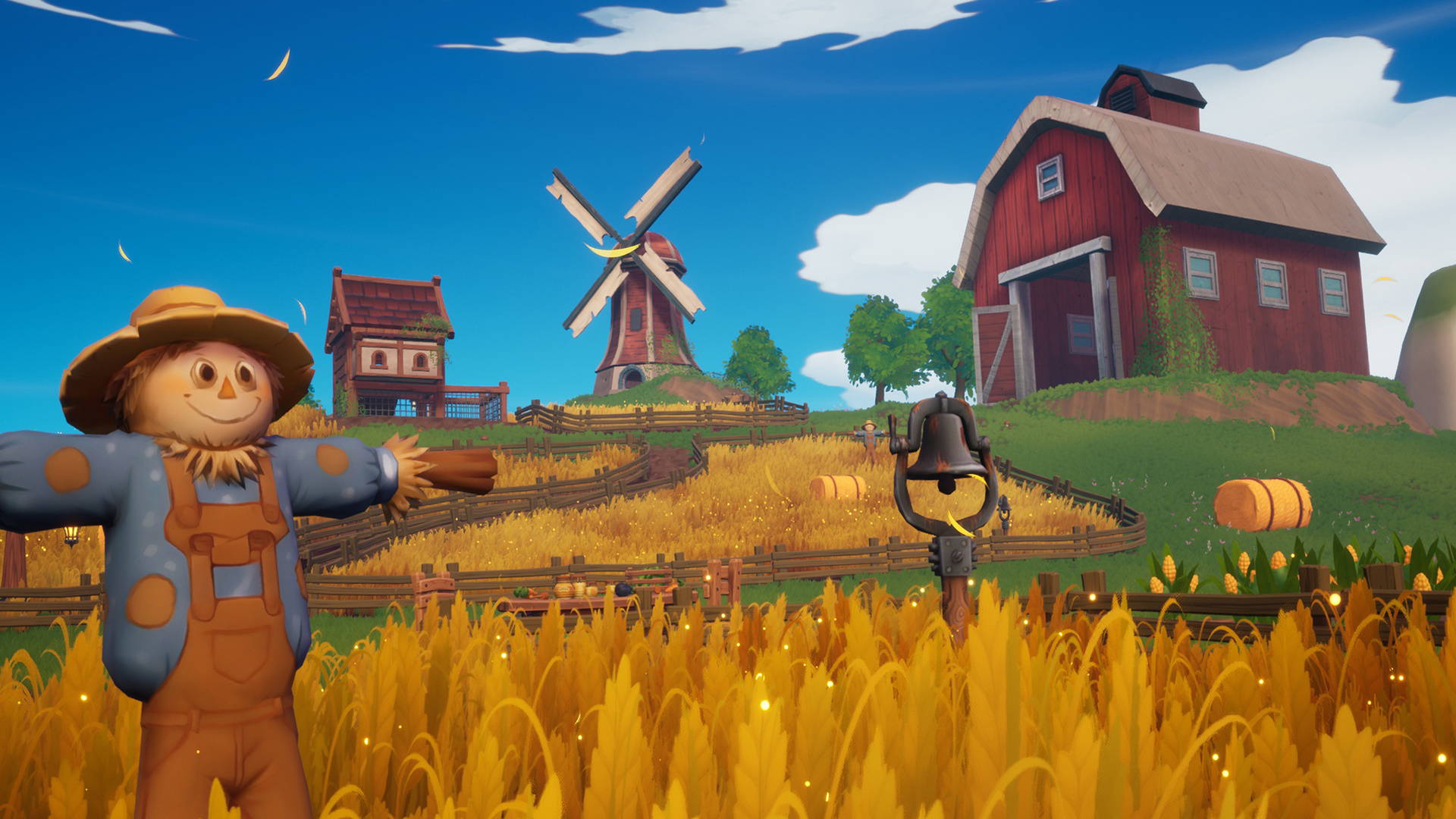
Free FAB resources - until 20 October 2026
New assets available for free on FAB, available until October 20, 2026
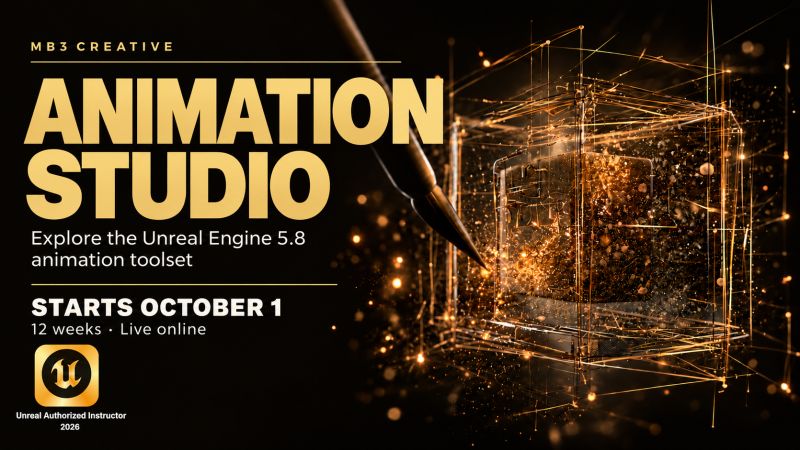
Unreal Engine Animation Studio: The basics of motion in UE 5.8
Unreal Engine Animation Studio: 12 weeks to master UE 5.8 animation tools and bring intention to movement.
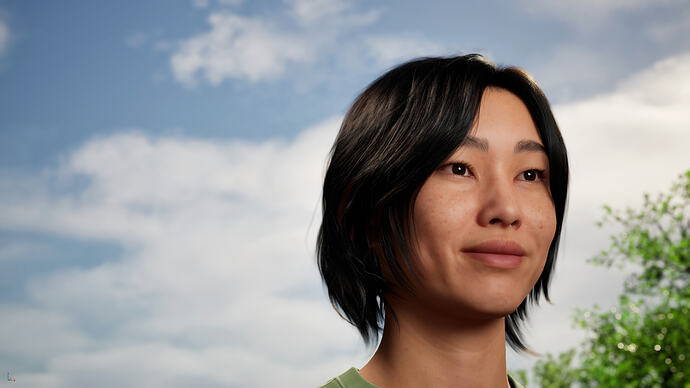
MetaHuman Creator Web App: Closing November 5, 2026
Epic Games chiude l’app web di MetaHuman Creator il 5 novembre 2026. Dopo restano 90 giorni per recuperare i personaggi. Le funzionalità restano in Unreal Engine 5.6+. Esporta ora via Quixel Bridge.