ArtStation reveals what studios are really looking for: 3D dominates and recruiters focus on portfolios
The new “State of the Art Report” presented by ArtStation during Unreal Fest Stockholm offers a very clear picture of the creative industry in 2025. Through the analysis of over 1.2 million portfolios and thousands of responses collected from artists, recruiters and studios, a clear trend emerges: 3D continues to dominate the sector.
3D is the most in-demand skill
According to the report, 3D modeling is now the most present skill in the portfolios published on the platform, surpassing concept art and illustration. The animation sector also continues to grow rapidly, with 3D animation increasing by 14.4% and 2D by 12.8%.
On the software front, Photoshop remains the most used program, but Blender continues to be the fastest-growing tool, now central to modern pipelines alongside Substance 3D Painter, Maya, and ZBrush.
Unreal Engine also continues to expand, increasingly in demand within workflows dedicated to video games, real-time, and virtual production.
Why artists switch software
The main reason is economic. About half of the artists interviewed said they switched software due to price increases or licensing changes.
The search for better alternatives and ethical issues related to the development companies come next. This is also why accessible software like Blender is growing so quickly.
What studios are really looking for
The most sought-after roles remain those related to 3D and concept art, especially:
3D Character Artist
3D Environment Artist
Concept Artist
But the real deciding factor continues to be the portfolio. According to recruiters and art directors, candidates are often rejected due to poorly refined portfolios, weak fundamentals, or outdated workflows.
Studios are looking above all for quality, clarity of the creative process, and a good understanding of production pipelines.
Gaming leads the way in hiring
Gaming remains the sector that hires the most, followed by animation, film and TV, advertising, and AR/VR.
The most requested software in job postings on ArtStation are Photoshop, Unreal Engine, Blender, Maya, and Unity. Remote work also continues to maintain a strong presence in the creative sector.
Generative AI: the sector remains divided
Artificial intelligence continues to be one of the most discussed topics. Projects created with AI tools have grown rapidly on ArtStation, even if they still represent a small portion of the total.
The community appears almost split down the middle: one part already uses tools like Midjourney and Stable Diffusion, while the other continues to reject them or works in studios where AI is not allowed.
The main concerns are copyright, the devaluation of human artistry, and the weakening of basic artistic skills.
And this is precisely the report's final message: software and technologies are constantly changing, but solid fundamentals and a quality portfolio remain the most important elements for entering the video game industry.
Watch the full talk presented during Unreal Fest Stockholm, with all the data shared by ArtStation on the current state of the creative industry:
Latest posts
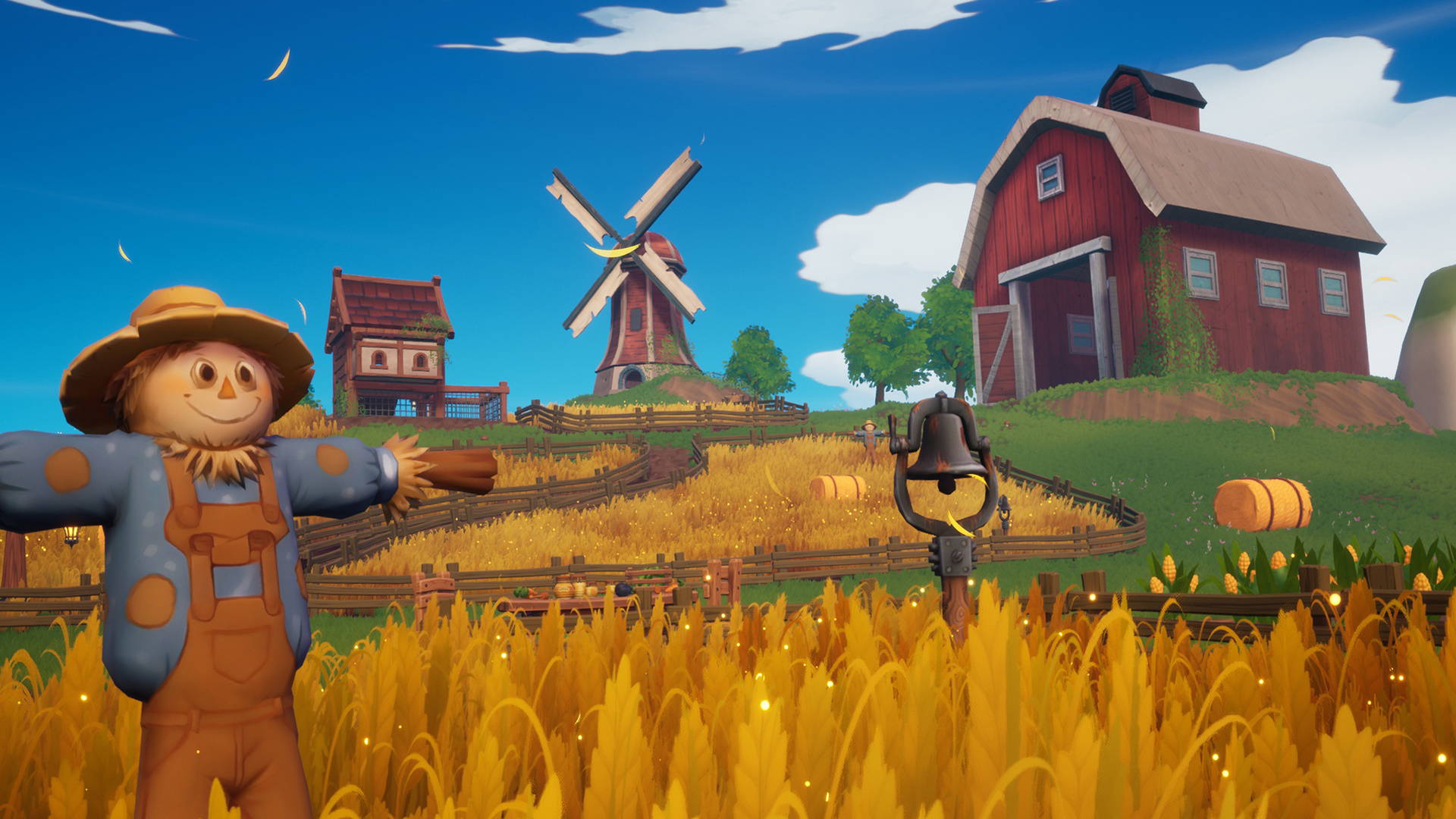
Free FAB resources - until 20 October 2026
New assets available for free on FAB, available until October 20, 2026
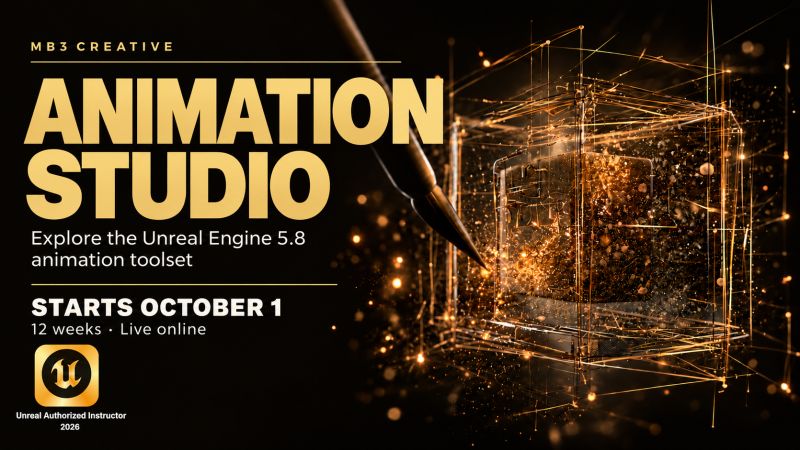
Unreal Engine Animation Studio: The basics of motion in UE 5.8
Unreal Engine Animation Studio: 12 weeks to master UE 5.8 animation tools and bring intention to movement.
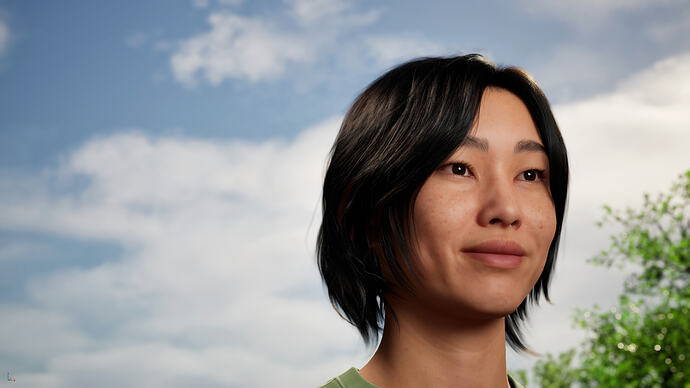
MetaHuman Creator Web App: Closing November 5, 2026
Epic Games chiude l’app web di MetaHuman Creator il 5 novembre 2026. Dopo restano 90 giorni per recuperare i personaggi. Le funzionalità restano in Unreal Engine 5.6+. Esporta ora via Quixel Bridge.