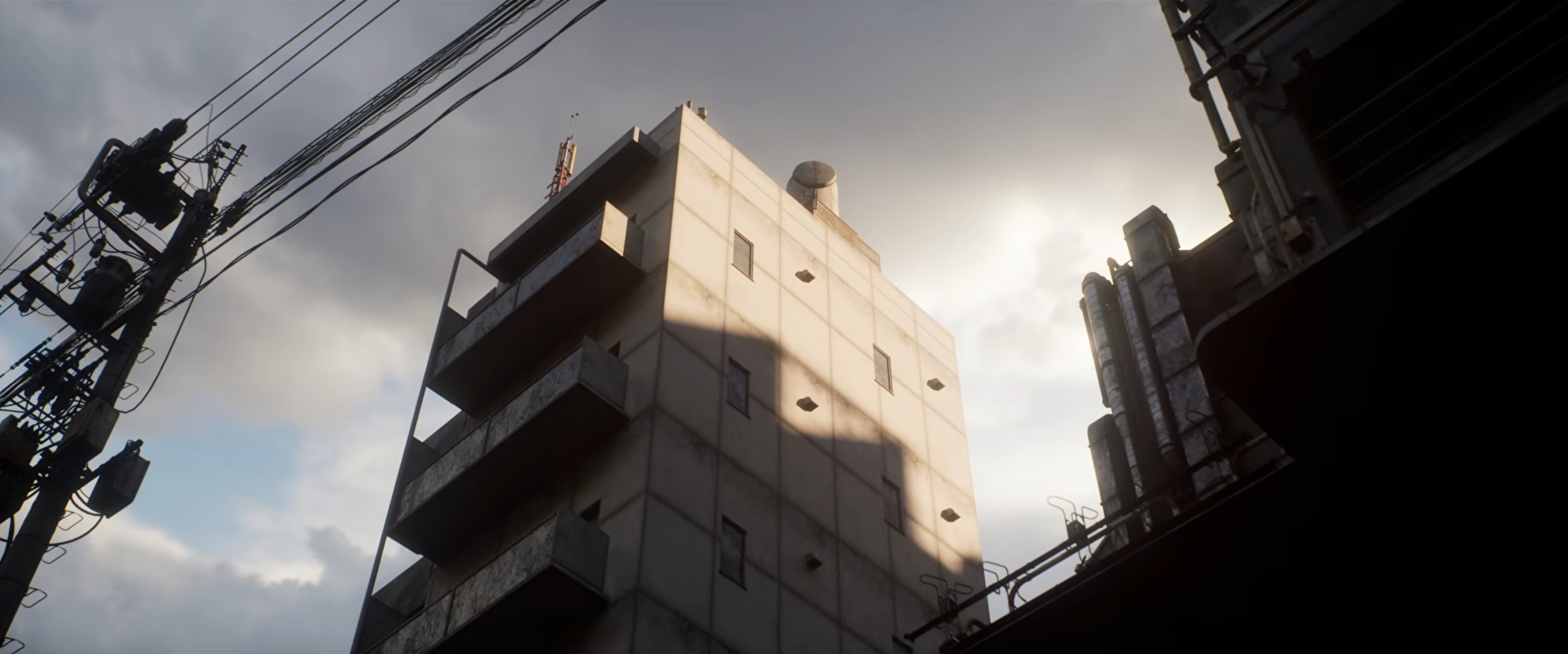
Physically Based Lighting in Unreal Engine 5: from theory to practice
Arthur Tasquin's series dedicated to Physically Based Lighting (PBL) in Unreal Engine 5 continues with a new episode that delves into the practical application of this approach to lighting.
After introducing the fundamental concepts in the first part, Tasquin shows how to use real physics values to build more consistent, predictable, and realistic lighting setups.
Through a series of practical examples and case studies, the video analyzes the behavior of light within Unreal Engine 5, highlighting both the advantages of the PBL workflow and some of the challenges that artists can encounter during production.
The goal is to develop a working methodology based on measurable parameters, capable of improving visual consistency and simplifying the lighting process in the most complex scenes.
If you missed the first in-depth analysis, the article dedicated to the first part of the series is available on our blog here.
Furthermore, for those who want to start from the basics or catch up on previous content, we have also uploaded the first complete episode on the platform here .
A useful resource for lighting artists, environment artists, technical artists and for all Unreal Engine users interested in understanding the principles of physically correct lighting more deeply.
You can purchase the plugin here.
Latest posts

Free FAB resources - until 20 October 2026
New assets available for free on FAB, available until October 20, 2026

Unreal Engine Animation Studio: The basics of motion in UE 5.8
Unreal Engine Animation Studio: 12 weeks to master UE 5.8 animation tools and bring intention to movement.

MetaHuman Creator Web App: Closing November 5, 2026
Epic Games chiude l’app web di MetaHuman Creator il 5 novembre 2026. Dopo restano 90 giorni per recuperare i personaggi. Le funzionalità restano in Unreal Engine 5.6+. Esporta ora via Quixel Bridge.